Why I Read Folk Horror in a Place That Looks Like it
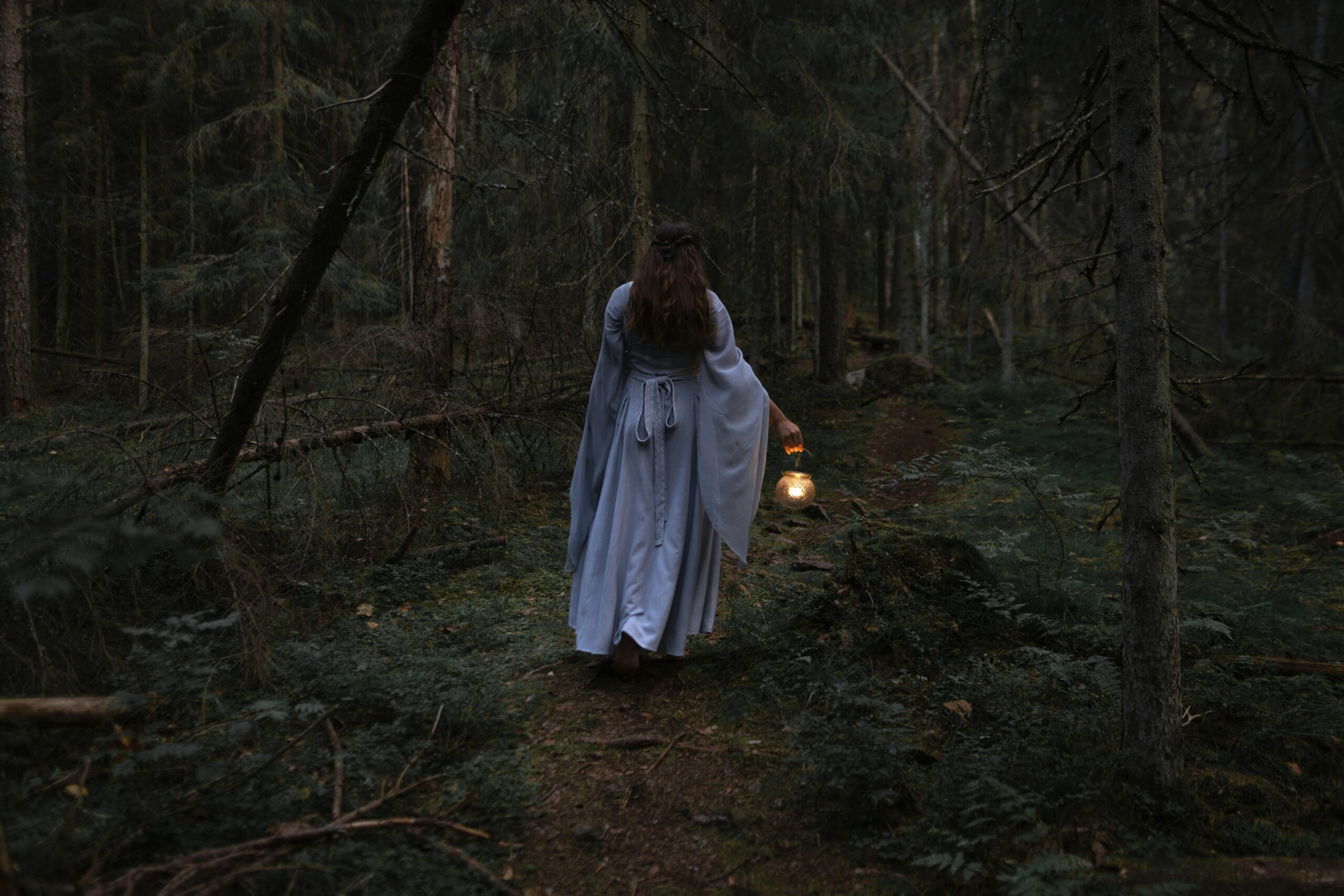
I’m curled up on my bed with Hagstone, the lamp on, a moth flickering at the shade. When I look up from the page the night sky is right there in the window, stars winking in one by one, the wind moving through the trees, a few faint bird calls somewhere out in the dark.
The book is set on a wild, cut-off island. I lift my eyes from it and the dark Devon countryside is doing a quieter version of the same thing, just past the glass. I keep waiting to feel a jolt, the strangeness of the page leaking out into the real night. It doesn’t come. What comes instead is something gentler and harder to name. It feels familiar.
Where I live often feels cut off. I can’t drive, so I lean on buses that aren’t quick or reliable, and getting anywhere is enough of an effort that mostly I don’t. I’ve been here well over a decade and I still don’t really know anyone. So when a book hands me an island the world can’t easily reach, it isn’t frightening and it isn’t comforting. It’s recognisable. I didn’t open it expecting that. It’s almost as if the author is relating to me through the page — or me to her.
That’s the strange part, when I sit with it. I’ve lived among my neighbours for years and we don’t know each other. But a writer I’ve never met, writing about somewhere I’ve never been, reaches me. A book can be better company than the place I actually live. I think I escape into those places because, even after all this time here, I always feel like I don’t quite belong.
So I read as the outsider. The one who doesn’t fit, who the closed little world closes against. In folk horror that’s usually the person in danger, and still it’s the one I find myself standing with. It’s like I’m that person.
It isn’t only folk horror, it’s the sci-fi and the dystopias too. The thread between them is that none of them are cosy. What I’m after is the gritty realism, the version of the world that doesn’t pretend to be sunshine and rainbows I already know don’t exist. The comforting stuff, honestly, feels a bit cringe. Hard to relate to. Life isn’t often like that, and a book that says it is feels like it’s lying to me.
I’ve felt the real version of all this in the garden, in the early hours, stargazing because I can’t sleep. Out there I’m hyper-aware of every sound, unsettled by the slightest one. The difference between the dread on the page and the dread at three in the morning is just that the book isn’t reality. A hedgehog scuttling through the grass in the dark is enough to scare the life out of me.
Whether the reading makes any of it easier to carry, or only easier to look at straight, I don’t know. I close the book, turn off the lamp, and let the dark be the dark.
Written in Devon, June 2026.