On the Shelf: Sherlock Holmes – A Study in Scarlet & The Sign of the Four
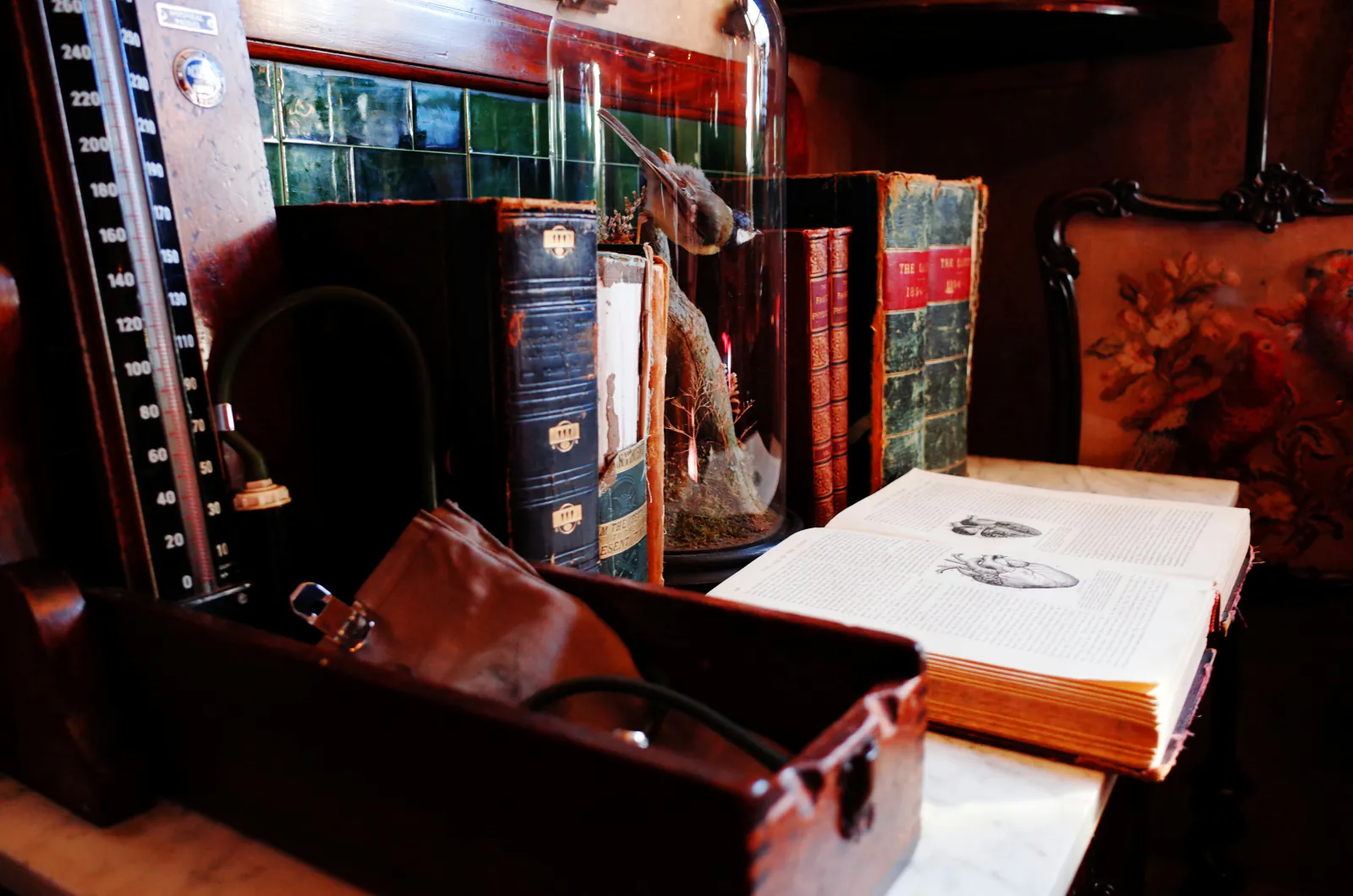
There we were, my eldest and I hunting through the stacks of our favourite charity shop, the top floor given over to forgotten books and board games. Three books for a pound. We’d bagged one already and were scrambling to make up the numbers before we struck gold.
A much loved Agatha Christie compilation and Sherlock Holmes: The Complete Illustrated Novels.

That was a month or so ago. This week, he put pen to paper, wanting to share his thoughts on the first two Holmes novels. So, here he is, in his own words.
As a little foreword: I have never done a book review like this before and have only read the first two books Doyle released in the series. I do plan to read at least the next two after that due to me finding a collection of the first four at a charity shop though.
When people think of Holmes (in a stereotypical pop culture-y sense) they usually think of the elaborate crimes or the analytical genius of the titular detective. These two books display both aspects in spectacular detail but they also focus on the relationship between Watson and Holmes a surprising amount. In a way, this relationship is more important than the crimes themselves.
You, the reader, are Watson: a curious friend of this inconceivably meticulous man who wants to know how said man works.
Doyle, in response, carries you through the case and does this through Watson, who gets it drip-fed to him by Holmes. This rather oddly comes full circle and can be boiled down to Doyle telling you what happened before helping you figure out how.
It creates a particularly engaging journey of a book which is then wrapped up in a lovely little bow of realistic dialogue and harrowing plots. I’m well aware that “tell then explain” is a done-to-death writing device, but Doyle weaves it into the fabric of the story in such a way that it feels so novel.
It’s weird because Watson is still distinctly his own character but is just as clueless as you are, and just as sceptical of Sherlock as you are, that you can easily imagine yourself in his shoes. “There’s no way in hell you can figure out so much about a person from as little as their footprint!” you both think. And then he does exactly that and in doing so, both you and Watson are left dumbfounded. This feat is then explained and reduces that dumbfounded-ness to pure awe (coupled with a bit of perceived understanding even though this cycle continues to repeat itself).
Watson often doesn’t agree with many things Holmes does or thinks. He gets annoyed with how trivial he sees his super-human deductions. He disagrees with his sentiment that women shouldn’t be involved due to the (apparent) innate emotional weakness of the opposite sex. He severely doubts Holmes’s “Science of Deduction”, outraged at the thought of tiny details telling volumes, but despite all of this friction: the two are utterly loyal to each other.
Holmes himself is never seen from his own perspective, only the perspective of the ever curious Watson. We only ever get little hints here and there about how he actually thinks or what he does with his spare time making him all the more enigmatic. So we (the reader and Watson, of course) keep looking for those little bites of information to slowly build the picture.
I’ll leave that for you to figure out though.
You may have noticed that I basically haven’t touched on any of the actual detective shenanigans synonymous with the name “Sherlock Holmes” (they are utterly brilliant though so don’t let that put you off) and that’s because they are best experienced with no prior knowledge whatsoever. If you knew any single detail from the actual crimes it’d ruin the game of A: figuring some of it out for yourself and B: going through that journey of trying to understand how Holmes figures it out.
My focus on the two characters is so that you know exactly how amazing this aspect is, to then prime you to look out for those moments of drip-feeding I previously described when you read.
Now go and bloody read them! They’re public domain so you can do so for free, you have no excuses.
I’m looking forward to hearing how he enjoys the next few. As for Agatha Christie, I’m sure you’ll hear from him soon on that.
Written in Devon, July 2026.
Got thoughts on this? Send me a note →